
Topic
The Pilot Episode: Why Networks Still Bet Millions on a Single Hour
One script, one shoot, one screening — and a decision that can shape a network's schedule for years.
One script, one shoot, one screening — and a decision that can shape a network's schedule for years.

The interviews, the structure, and the small details that turn a famous name into a person on the page.
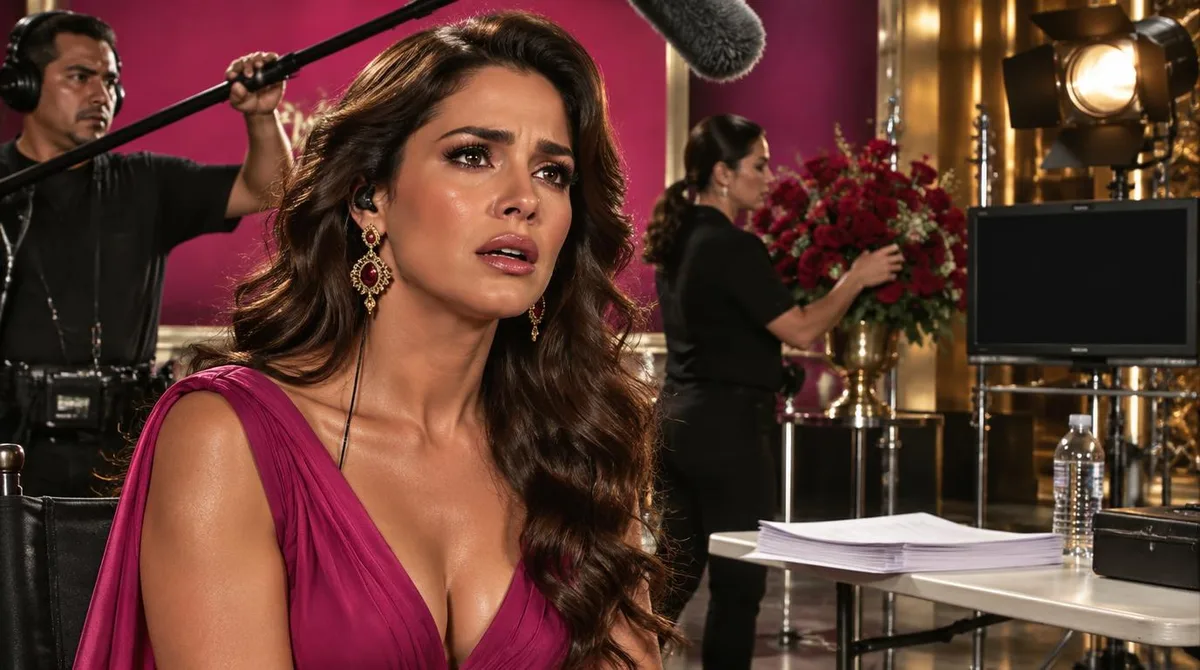
The telenovela is the backbone of television in Spanish: one self-contained story, told to a planned ending in about a year, with an export history no other format matches.

Parasocial bonds and gossip's old job as social currency explain a lot about the celebrity beat.

Panel types, refresh rates, and sale-season timing, decoded for people who just want the picture to look good.
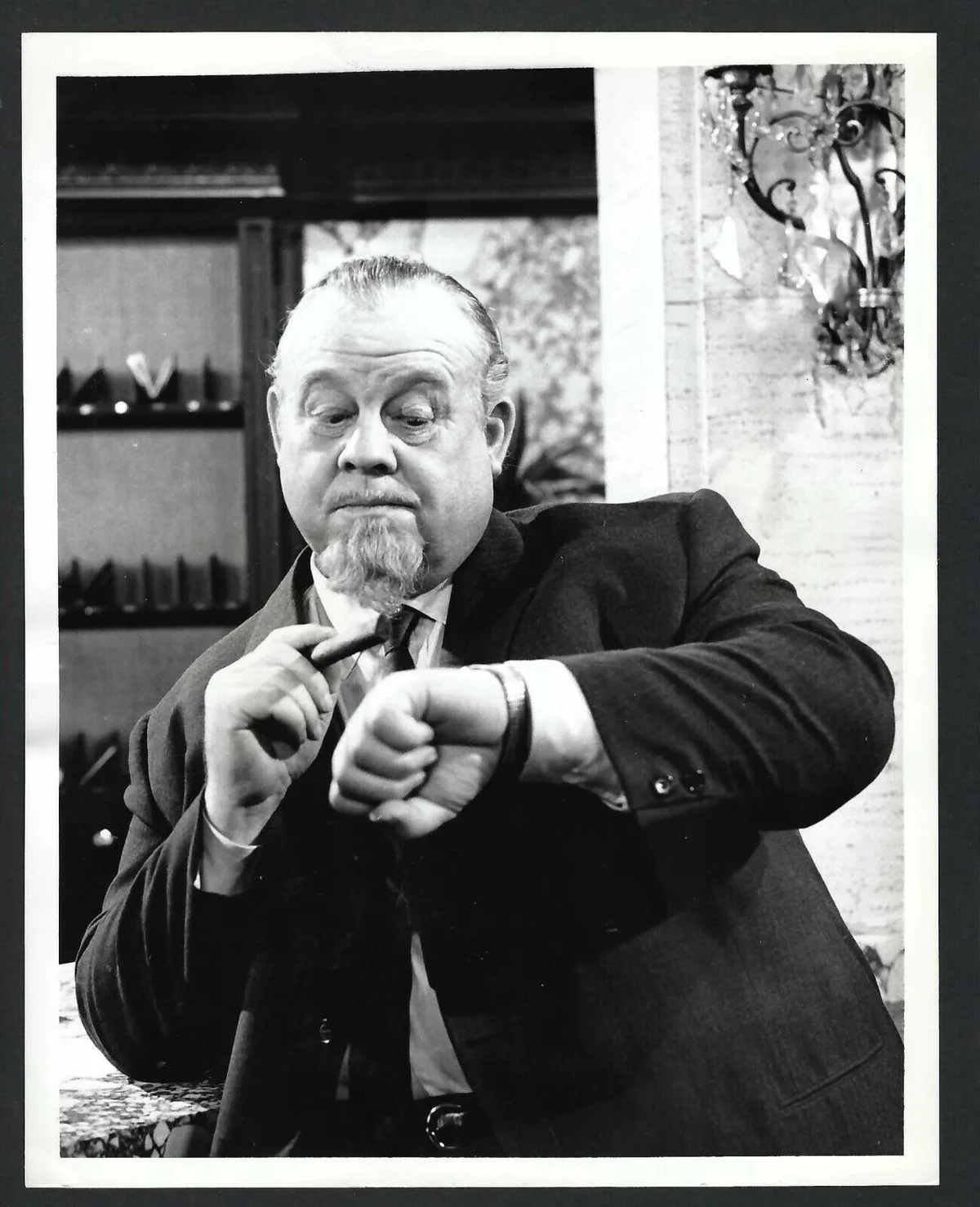
Most pilots never reach the screen. Inside the pilot test, why networks greenlight shows that never air, and what happens to the rejects.

Season finales love to end on a cliffhanger. Here is where the trick came from, why it hooks viewers so reliably, and why it makes networks nervous.
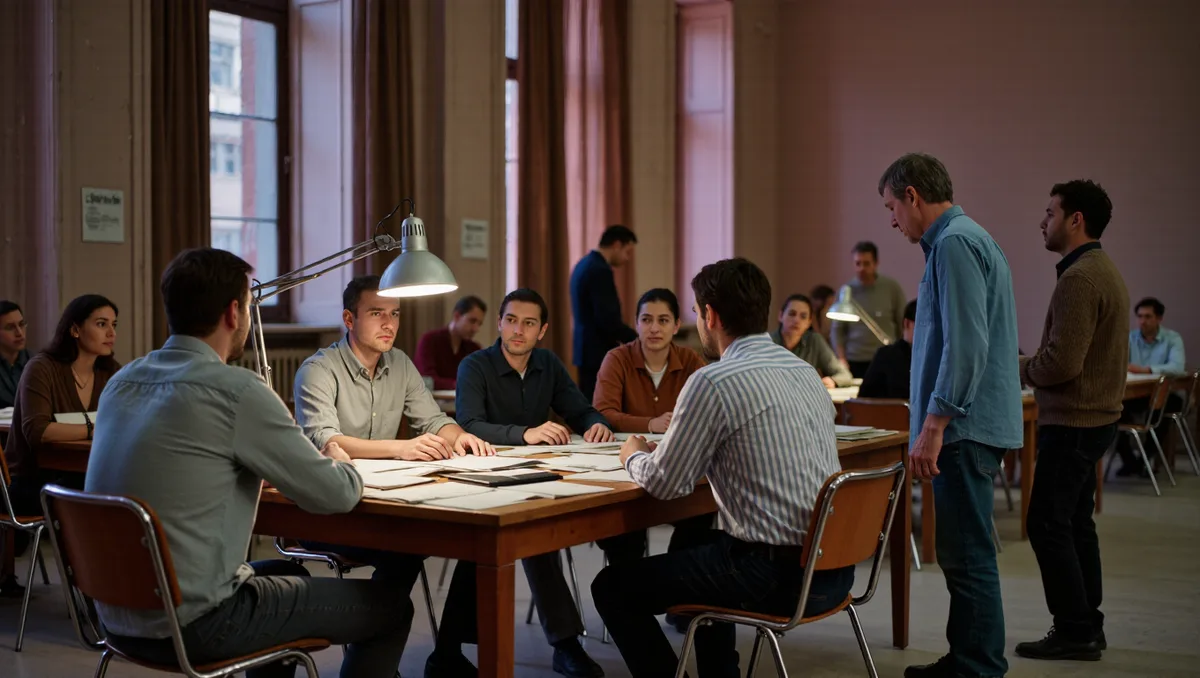
The audience sees the star. The production runs on the people the star never has to thank by name.
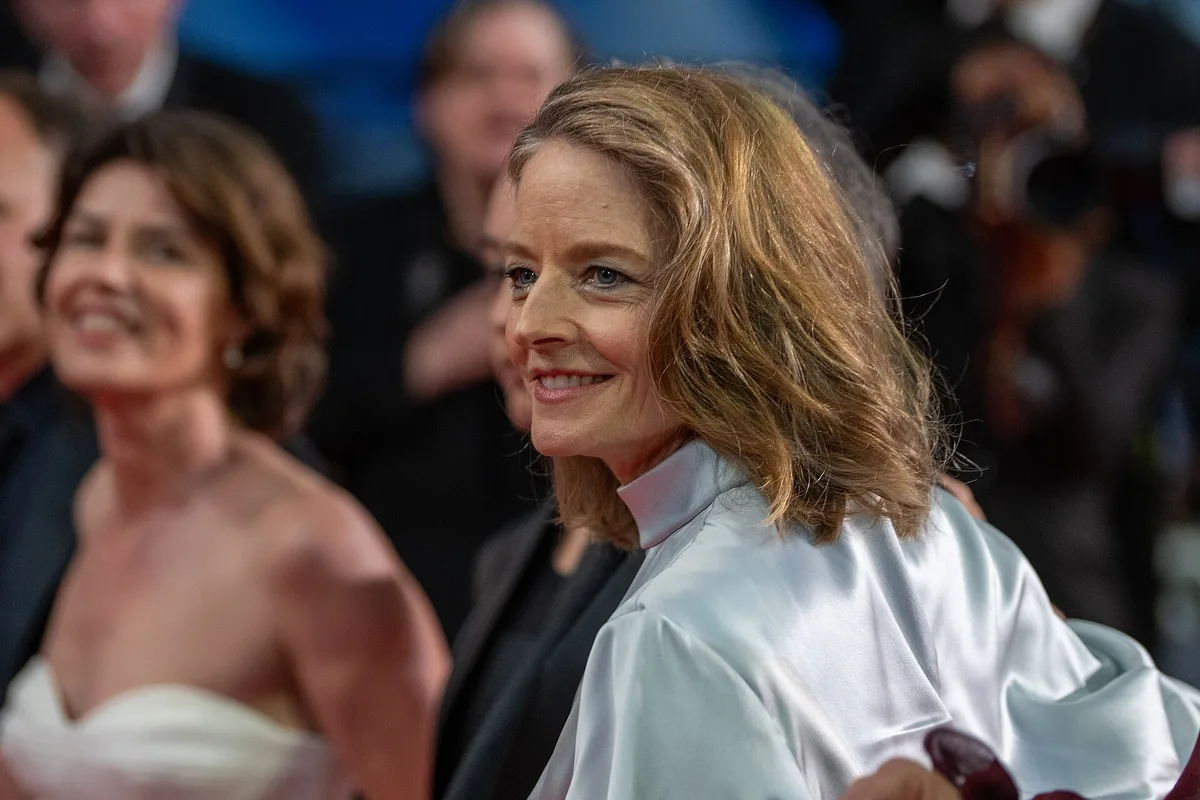
Every talk-show chat and magazine profile is negotiated months out, by people whose job is to make the exchange look spontaneous.
Pizza is the rare food that works on camera, in an endorsement, and in a fan's memory — and the business logic behind that explains a lot about how fame is sold.