From a fifteen-year run at ABC to a Netflix pact reportedly worth up to $400 million, Shonda Rhimes's contracts trace how streaming changed the price of a hit-maker's ownership stake.
Fan conventions turned affection into a commodity market — photo ops, autographs, and meet-and-greets priced by fame — and for television actors it has become a year-round income stream with its own rules.
Animated series are carried by performers most viewers could not pick out of a lineup — a profession of extreme craft, shrinking bookings, and a growing fight over whether voices can be borrowed without their owners.
A defining television role is an asset and a cage — and the actors who escape it usually do so deliberately, with ugliness, accents, distance, or a long wait for the audience's memory to reset.
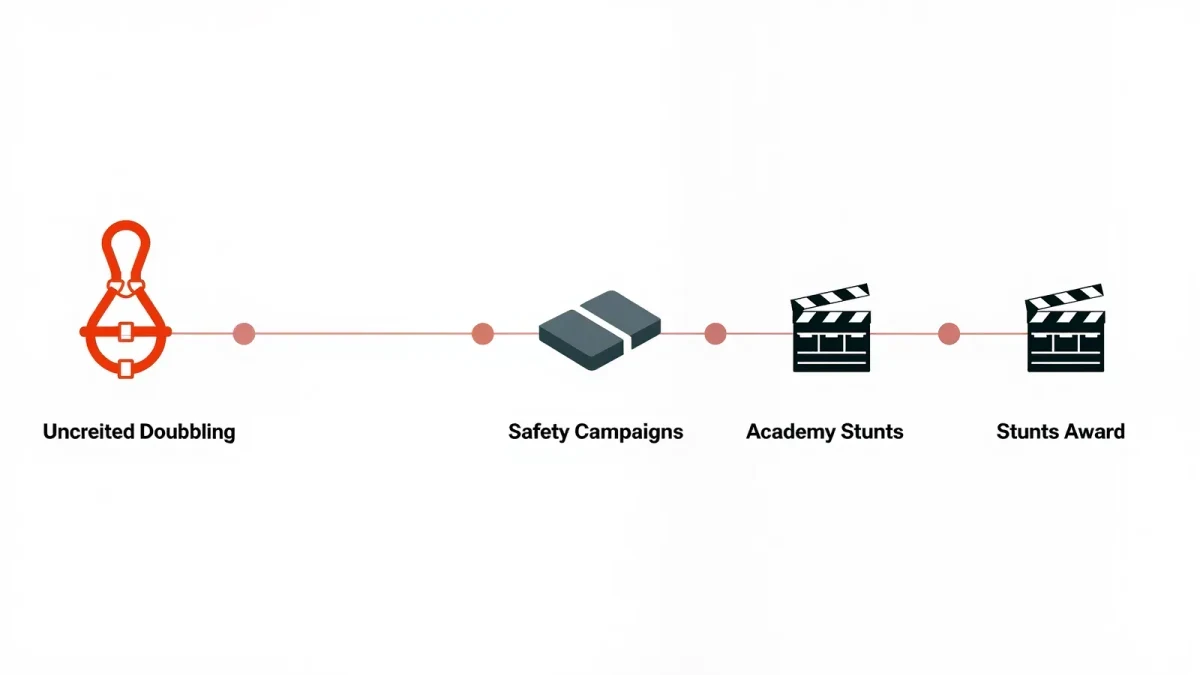
Stunt performers fall down stairs so leads don't have to, then watch the credits roll without their names — a decades-long fight over recognition that a Best Stunt Design Oscar category may finally begin to settle.
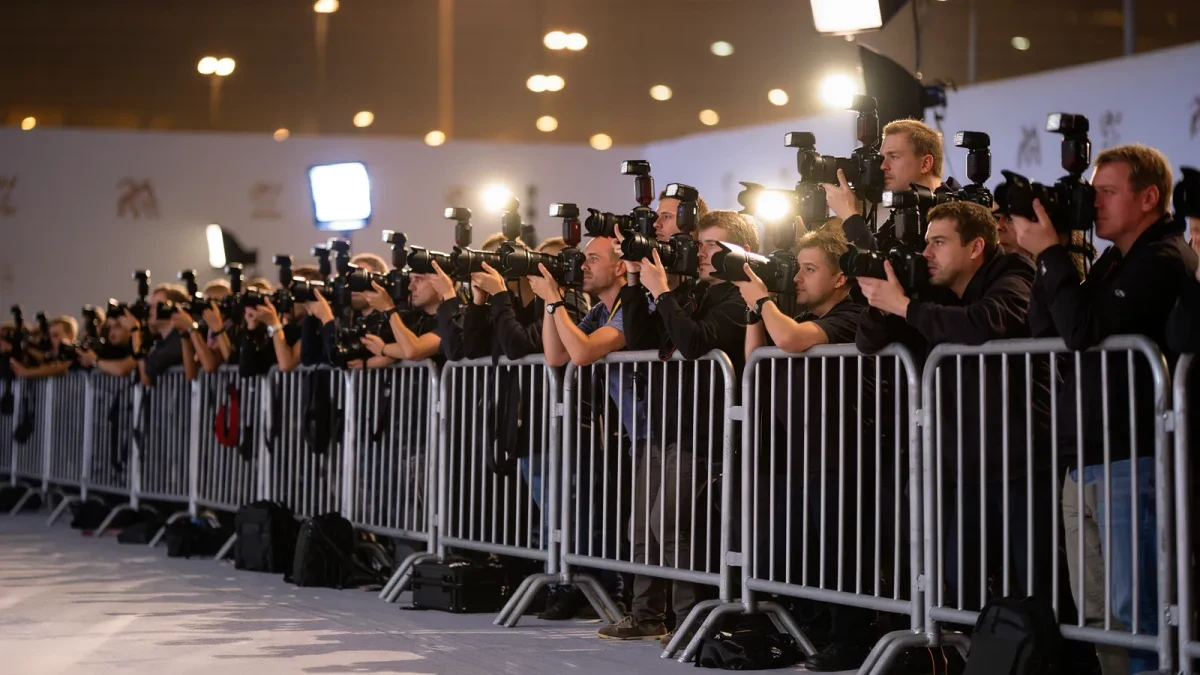
A red carpet is not decoration, it is distribution — a synchronized photo operation whose output feeds the exact content pipelines a series needs in the two weeks that decide its fate.