
Topic
How to Write a Profile That Readers Remember
The interviews, the structure, and the small details that turn a famous name into a person on the page.
The interviews, the structure, and the small details that turn a famous name into a person on the page.
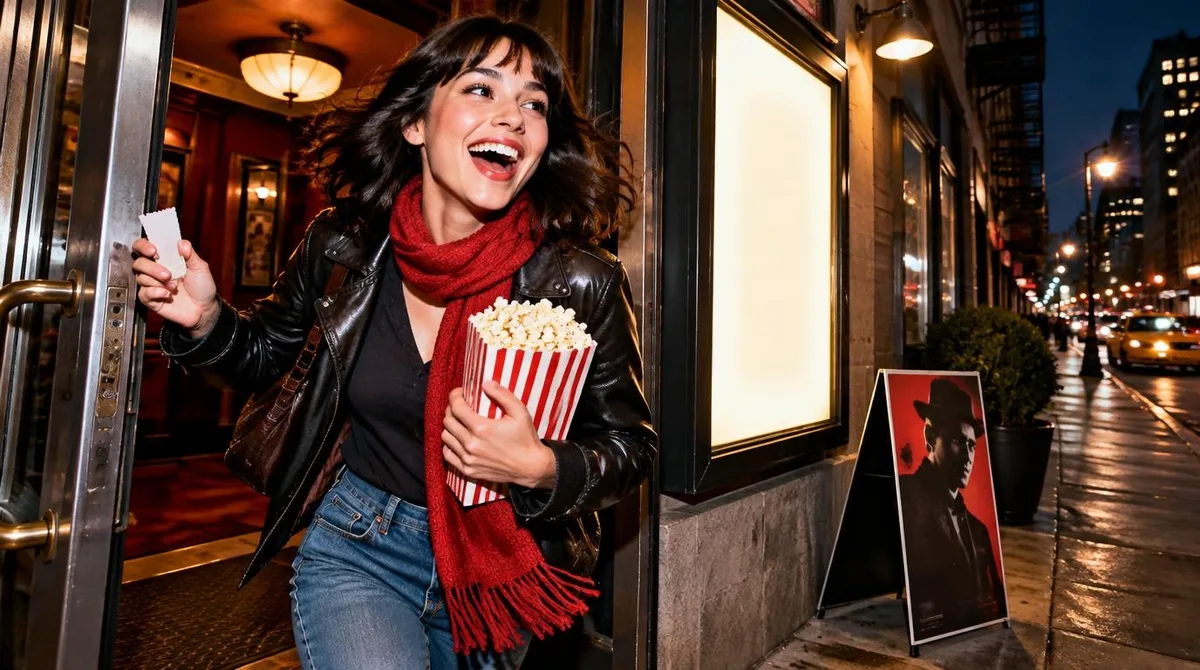
The rainbow card sells tickets the way a studio logo never used to — and the strategy behind it is more deliberate than it looks.

A small board watches the film, votes, and hands down a letter. Here is what happens before, and what happens when a studio fights back.
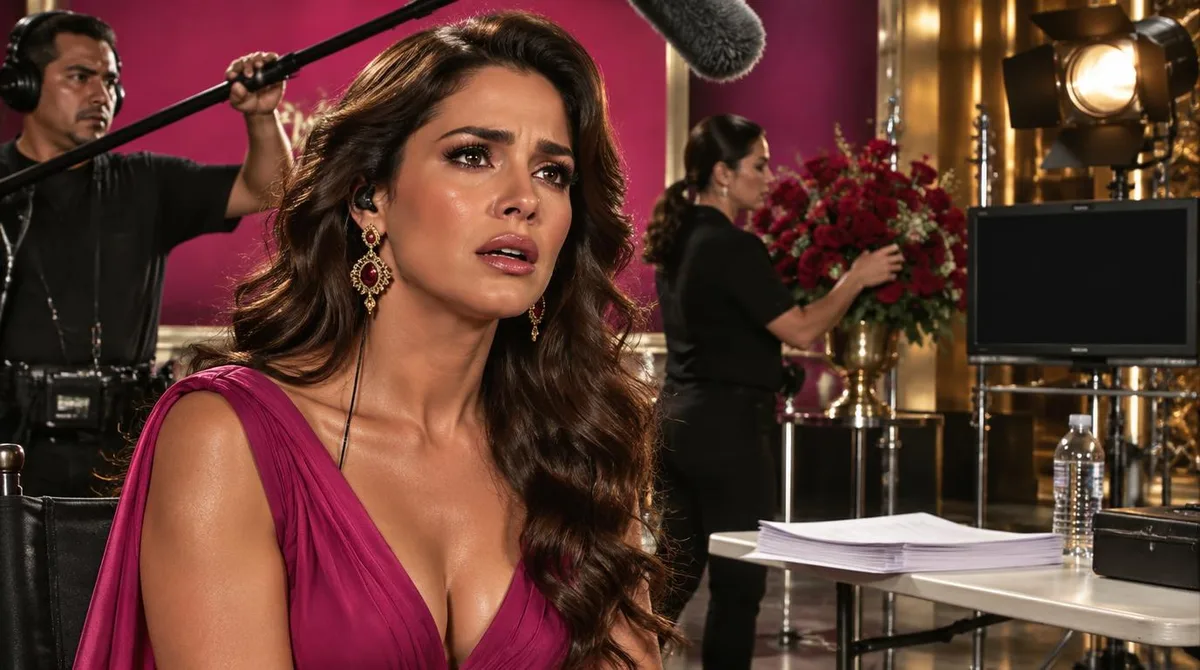
The telenovela is the backbone of television in Spanish: one self-contained story, told to a planned ending in about a year, with an export history no other format matches.

Panel types, refresh rates, and sale-season timing, decoded for people who just want the picture to look good.
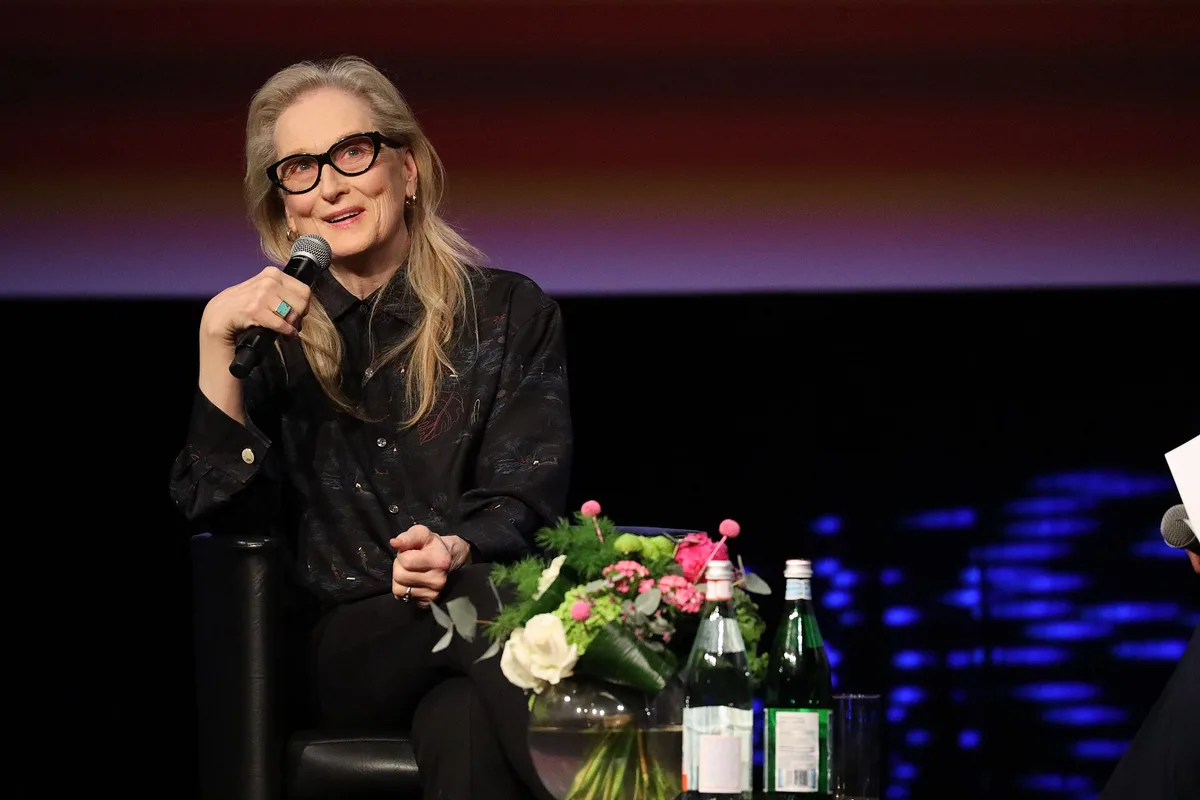
Good profile interviews are built, not stumbled into. Here is how question design, rapport, and close listening actually work.

Season finales love to end on a cliffhanger. Here is where the trick came from, why it hooks viewers so reliably, and why it makes networks nervous.
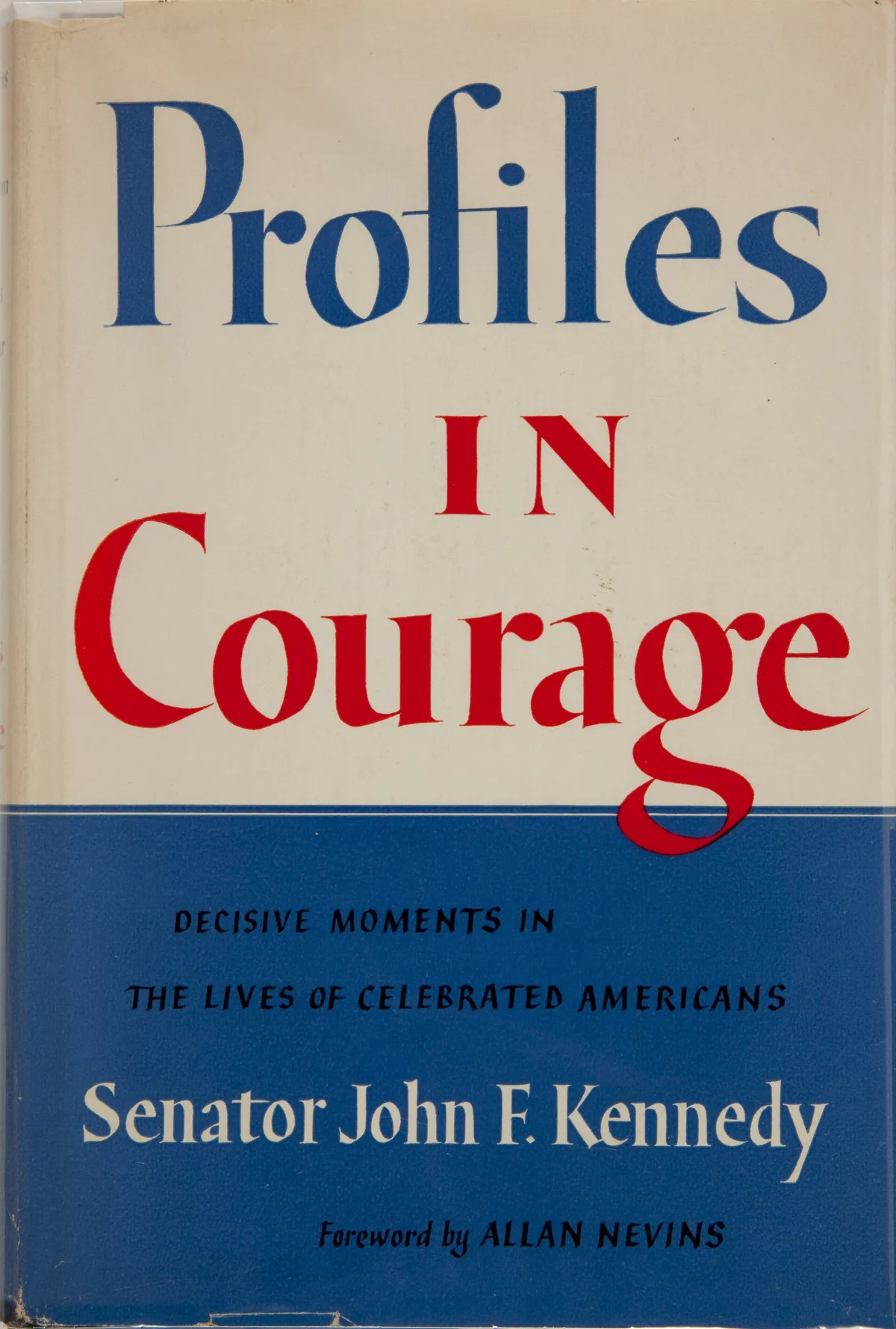
How a slim volume about eight senators became a Pulitzer winner, a ghostwriting controversy, and the template for political storytelling that still shapes how we talk about the work.
The trade-off behind the credits: steady pay versus the freedom to keep auditioning, and why the math changed when television did.
A coalition of studios and unions wants Congress to pass a national tax credit for film and television production. Here is what the numbers say, and where they come from.